How to Promote Dance Classes on Instagram and TikTok Starting with Zero Followers
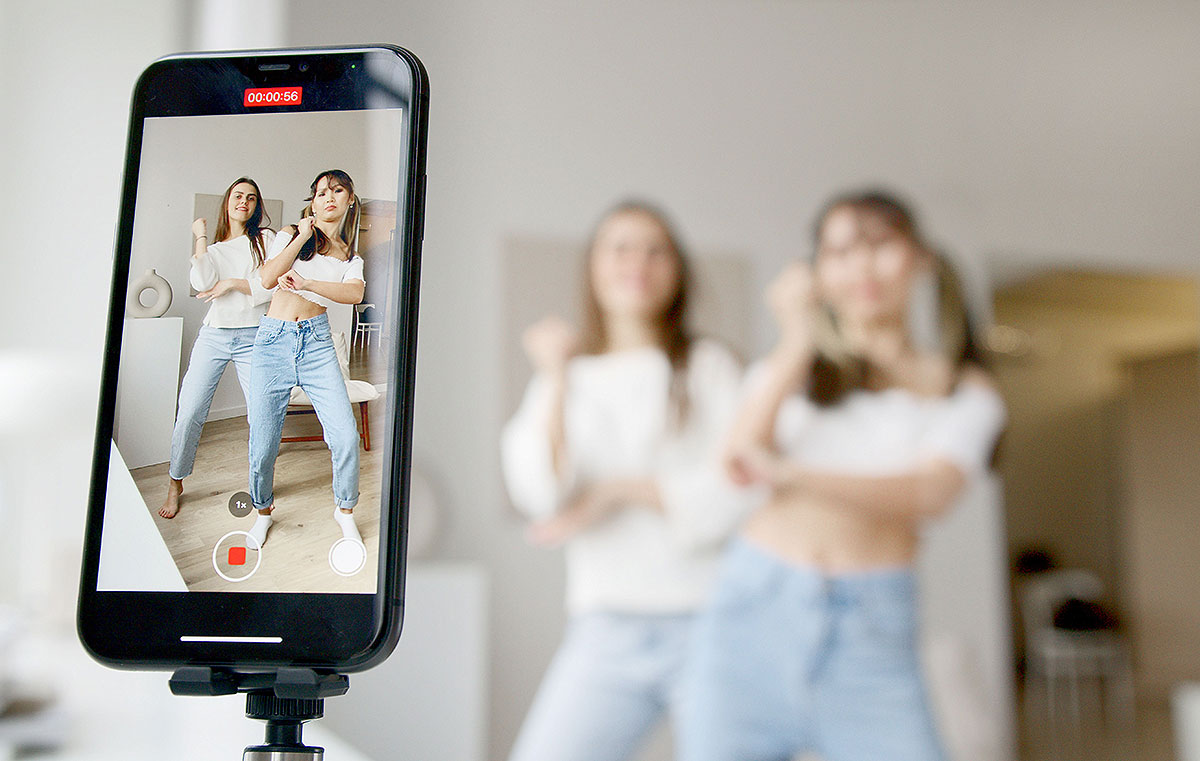
Starting a dance business with a brand-new Instagram or TikTok account means competing for attention without an existing audience. Both platforms offer a way in. Even with zero followers, you have a chance to reach people who have never heard of you.
The challenge is getting your videos in front of people interested in taking dance classes, ideally in your local area, because reaching people who live close enough to attend matters more than collecting views from those who live too far away.
Here is how to set up both platforms, produce videos with a phone and start building an audience interested in attending your classes.
How Instagram and TikTok decide who sees your videos today
Instagram and TikTok study how people respond to individual videos. Both platforms recommend videos beyond an account’s existing followers, although distribution depends on how viewers respond.
According to Instagram chief Adam Mosseri’s explanation of ranking signals, three important measures are watch time, likes relative to reach and sends relative to reach. A send is a private share. Sends are especially useful when trying to reach people who do not follow the account.
TikTok’s explanation of its recommendation system also places considerable weight on viewing behaviour. Its recommendation system considers how long people watch, which videos they finish and which ones they skip. Sounds, hashtags and other information help the platform understand the subject.
For a dance teacher, the practical lesson is simple. A video needs to give viewers a reason to watch immediately, keep watching and ideally share the lesson with someone else.
For example, compare two opening scenes:
- A teacher walks towards the camera, introduces the studio and spends eight seconds explaining the lesson.
- A teacher immediately demonstrates a dance move while the text reads “Learn this salsa step in 20 seconds”.
The second approach shows viewers what they will learn before asking for their attention. The first spends valuable seconds on information viewers have no reason to care about yet.
What has changed over the past year?
Several developments deserve attention:
- Original content: Meta reported that original posts accounted for 75% of Instagram recommendations in the US during the final quarter of the previous year. Filming original lessons is preferable to reposting other dancers’ videos.
- Trial Reels: Instagram expanded access to Trial Reels recently. Eligible creators can publish videos to non-followers first and inspect the response before sharing them more widely.
- Hashtags: Instagram reduced the permitted number of hashtags to five. Older recommendations to add 20 or 30 hashtags are outdated.
- Search: TikTok says the match between a video’s information and a search query is an important factor in search results. Clear descriptions of dance styles, lesson levels and locations therefore deserve attention alongside entertainment value.
There is no verified universal rule requiring seven-second videos, daily uploads or posting at a particular hour, since claims about these practices often come from individual creator experiments rather than official platform guidance.

Set up your Instagram and TikTok accounts correctly
Start with a consistent business name. Ideally the Instagram username, TikTok username and future website domain should match.
Instagram setup
- Create an account and switch to a professional account under Settings and activity.
- Choose the Business category if the account represents a dance school. A Creator account also offers professional tools and suits an instructor building a personal brand.
- Keep the profile public. Private accounts restrict discovery.
- Use a clear portrait or recognisable studio logo as the profile picture.
- Put the dance style and city in the searchable name field. For example: “Emma | Salsa Classes Manchester”.
- Write a short bio describing the audience, level and location.
- Add a booking or contact link. If a website is unavailable, use an appropriate booking page or contact method.
- Enable contact options and review Account Status for recommendation restrictions.
Example bio:
Salsa classes in Manchester
Complete beginners welcome
Adults and private lessons
Tuesday and Thursday evenings
Book your first class below
For a school teaching children, replace the adult messaging with the age groups, class location and a direct booking instruction for parents.
Create three pinned posts once suitable content is available: an introduction to the teacher, an example lesson and a post explaining class times and booking.
TikTok setup
Choose between a Personal and Business account carefully. TikTok says Business accounts provide commercial tools and access to the Commercial Music Library. They do not receive the same general music access as personal accounts.
For an account primarily advertising paid dance classes, a Business account is a sensible starting point. TikTok’s commercial music guidance also applies when promoting services from a personal account.
Use the same profile name and photo as Instagram and add the city and dance style to the bio. TikTok’s account-type guidance says Business accounts can add a website link, while Personal accounts need at least 1,000 followers for this feature. Check availability in your account.
How to film a dance video people want to watch
Start with a phone, a tripod and a bright room. An expensive camera offers little advantage if the instructor’s feet are outside the frame or viewers cannot follow the movement.
Use this production process for a beginner lesson.
- Choose one move. Avoid teaching a complete routine in a short video. A basic salsa step, simple hip-hop movement or beginner ballet position is easier to follow.
- Position the phone vertically. Record at 9:16 with a resolution of 1080 × 1920 or higher. Leave room above the head and below the feet.
- Use a clean background. Face a window or another soft light source. Avoid placing a bright window behind the instructor.
- Record the finished move first. Show the result in the opening two seconds.
- Film the explanation. Demonstrate slowly and count the steps aloud.
- Record a final demonstration. Repeat the complete movement at normal speed.
- Edit out pauses. Remove walking into position, adjusting the camera and unnecessary introductions.
Start with 15 to 30 seconds for one simple move, but give a more complicated lesson the time the explanation needs so you do not have to speed up the video to meet an arbitrary duration.
For example, structure a 25-second salsa lesson like this:
- 0 to 2 seconds: Show the finished step with the text “Your first salsa move”.
- 2 to 8 seconds: Demonstrate the footwork slowly.
- 8 to 17 seconds: Repeat with spoken counts and on-screen numbers.
- 17 to 23 seconds: Demonstrate the movement with music.
- 23 to 25 seconds: Display “Save this for your next practice”.
Use the phone’s original video file when publishing to both platforms. Avoid downloading a finished TikTok with a watermark and uploading the same file to Instagram.
Six video formats worth testing first
1. The beginner lesson
Teach one movement with a clear result. Examples include “Your first three salsa steps”, “A beginner hip-hop move anyone can practise” and “How to count a basic waltz”.
These videos are useful because viewers have a reason to save them for later practice.
2. The common mistake
Show an incorrect movement followed by the correct technique. Use a headline such as “Why your salsa turn feels difficult”.
Keep the correction supportive. Explain where to place the feet or how to shift body weight rather than making beginners feel embarrassed.
3. The dance challenge
Demonstrate a short sequence and invite viewers to try the same movement. Keep the choreography accessible to beginners and choose suitable licensed music.
A challenge gives people an activity to share with friends. A local studio also has the option of inviting students to take part after obtaining permission.
4. Behind the scenes
Show the preparation for a lesson, the studio layout or the instructor practising a routine. Include the location in the video and caption.
For parents, a short tour showing the teaching space and explaining supervision arrangements is more useful than a montage of difficult choreography.
5. The beginner’s first class
Answer practical questions: What should students wear? Do they need a partner? Is previous experience required? How long does the lesson last?
Film the teacher answering one question at a time and add short clips demonstrating the answer.
6. The teacher’s personality
Share a favourite dance style, explain why the instructor enjoys teaching or demonstrate a movement learned during training.
These posts help viewers recognise the person behind the lessons, which is particularly useful for a new business with no reviews because viewers get to hear the instructor speak naturally and see how they teach.
How to write captions, titles and hashtags
Use the words people are likely to search for. “Beginner salsa lessons in Manchester” is more informative than “Tuesday vibes”.
For a local beginner lesson, an Instagram caption could read:
Want to learn salsa in Manchester?
Start with this simple three-step movement. Practise slowly before adding music.
Beginner classes take place every Tuesday evening in central Manchester. No partner or previous experience needed.
Save this video for practice or send a message for class details.
#SalsaManchester #BeginnerSalsa #SalsaLessons #DanceManchester #LearnSalsa
Use a similar caption on TikTok, although the wording and hashtags should match the specific video rather than repeating an identical template everywhere.
When appropriate, include the main subject in the spoken explanation, the on-screen text and the caption so viewers have an easier time understanding the video and get clear information about what it covers.
Do not add unrelated trending hashtags or generic tags such as #FYP in the hope of receiving automatic distribution. TikTok has explained that #FYP does not provide a special recommendation advantage.
How to reach people without any followers
Begin with Instagram Reels and TikTok videos because both formats support discovery beyond existing followers. Stories are useful for updates and conversations once an audience develops, but they should not be the main source of discovery for a brand-new account.
Before publishing, follow this checklist:
- Show movement or a useful result immediately.
- Add a short headline large enough to read on a phone.
- Include the dance style and beginner level where relevant.
- Add the city or local area for classes requiring physical attendance.
- Choose a relevant cover frame showing the instructor or movement.
- Check subtitles, sound levels and the final video for errors.
- Use suitable music with the required commercial rights.
- Publish publicly and inspect the finished post.
On Instagram, try the Trial Reel option when available to distribute the video to non-followers first. Instagram says trial metrics become available after approximately 24 hours. Compare the response with other trial videos. Strong results give you a reason to share the Reel more widely.
For local discovery, add an accurate location tag when the platform offers one. Location information helps explain where the class takes place, although adding a location does not guarantee nearby distribution.
Another useful approach is collaboration. Film a beginner lesson with a local fitness instructor or another dance teacher and publish an Instagram Collab post when both accounts agree. Instagram explains that accepted Collab posts appear on the participating accounts and can reach their audiences.
Avoid buying followers or arranging artificial engagement. A large number of followers with no interest in dance lessons offers little value to the business.
Marketing dance classes for children requires a different approach
Parents choose children’s classes. If your goal is to attract bookings for those classes, use your videos to answer the questions parents ask rather than copying dance trends popular with teenagers.
Useful topics include the age range for each class, how instructors support shy beginners, what children should wear and how parents receive progress updates.
For example, film a 30-second video titled “What happens in your child’s first ballet class?” Show the studio entrance, introduce the teacher and demonstrate a simple activity using an adult instructor.
Do not rely on identifiable footage of children. Obtain appropriate parent or guardian permission before filming or publishing any child and avoid showing personal information, school details or other sensitive information.
Teachers can demonstrate the same exercises themselves. This also keeps the account supplied with content before the first students enrol.
A practical 30-day content plan
Start with four original videos per week. This is a manageable testing schedule rather than a requirement imposed by either platform.
| Week | Videos to publish | What to learn |
|---|---|---|
| 1 | Teacher introduction, beginner move, common mistake, studio tour | Which subjects attract initial views? |
| 2 | Two short lessons, first-class explanation, dance challenge | Which videos keep people watching? |
| 3 | Beginner correction, children’s class explanation, local class introduction, behind-the-scenes video | Which subjects generate shares and profile visits? |
| 4 | Two variations of the best lesson, frequently asked question, class invitation | Which videos lead to messages and bookings? |
To reduce preparation time, record several videos in one session and keep the camera and lighting in the same position for related lessons, then change the opening headline or demonstration when testing different approaches.
Post when the intended audience is likely to be available, then use the account’s own audience data once enough viewing activity has accumulated. There is no single best posting hour across countries and dance audiences.
Use analytics to improve the next video
After publishing several posts, open Instagram Insights and TikTok Analytics. Instagram’s professional dashboard guidance and TikTok’s account guidance describe the analytics tools available to creators and businesses. Compare videos of similar length and subject before making changes.
Look at these measures:
- Average watch time: How long viewers remain with the video. If people leave early, shorten the introduction or show the movement sooner.
- Completion rate: Where available, the share of viewers reaching the end. A low result suggests the explanation is too slow, unclear or longer than necessary.
- Shares and saves: Useful signs that people want to send the lesson to someone or practise later.
- Non-follower reach: Particularly useful for understanding Instagram discovery.
- Profile visits and messages: Signals of interest in the instructor rather than the individual video alone.
For example, a salsa tutorial receiving 3,000 views and no local enquiries is less commercially useful than a studio introduction receiving 400 views and generating three trial-class bookings.
Keep a simple record of the topic, video length, opening headline, views, watch time, shares and resulting enquiries so after four weeks you have a basis for repeating the formats associated with the strongest relevant audience response.
Turn social media attention into class bookings
Give interested visitors a clear next step by displaying the class location, age group, difficulty level, schedule and booking method somewhere easy to find.
Use pinned posts to answer the main questions. A simple booking page is preferable to making visitors search through dozens of posts for a timetable.
A teacher offering adult salsa classes could finish a successful tutorial with the invitation “Want to learn in person? Beginner classes every Tuesday in Manchester. Details in profile.”
For parents, use a different message: “Beginner ballet classes for ages 5 to 8. See the timetable and book a trial lesson through the profile.”
Record where each booking came from by asking new students how they found the class or using separate tracked booking links. This helps distinguish popular entertainment videos from posts bringing paying students.
As the first students join, ask adults for permission to share short clips or feedback. For children’s classes, use parent-approved testimonials or instructor demonstrations instead of relying on footage of minors.