Business Review Sites: Profiles, Advertising and Paid Listing Options

Why Active Review Site Profiles Matter
A customer comparing two businesses will often look beyond the average rating. Recent reviews, descriptions of similar purchases and replies to complaints give them more information about the service they should expect.
An active profile means keeping business details accurate and responding when feedback needs an answer.
When a customer describes a problem involving several departments, assign one person to coordinate the response so the public reply addresses the concern without sending the reviewer between unrelated email addresses or repeating requests for information.
Paying for advertising serves a separate purpose. A sponsored listing buys exposure, while a review management subscription pays for tools such as invitations, reporting or website widgets.
The platforms below cover general business reviews, local services, software and travel. Their usefulness varies by country and category, so inspect the listings customers already compare in your market before committing to paid promotion.
Review Advertising and Metasearch Are Different Products
What Metasearch Means
Travel metasearch compares offers from several booking sources for the same stay. The traveller compares prices and follows a booking link. Reviews help assess the property, but the advertising product centres on the offer and booking destination.
A software directory selling sponsored listings or a local review site selling ads uses a different model. Calling every paid review-site product metasearch obscures what the advertiser receives and where a paid click leads.
Check Where the Click Goes
Before buying placement, identify the destination. An ad leading to your website gives visitors a different route from an ad leading to another page within the review platform. The latter adds another step before someone reaches an enquiry form or booking engine.
For example, when a hotel pays for a click to its Tripadvisor listing, the visitor still needs to choose a booking option before completing a reservation, so listing visits should not be reported as direct bookings.
Inspect the Targeting Controls
Ask which countries, categories and products the campaign covers. Separate controls for each placement matter when your business serves a narrow audience. Do not assume a platform offers demographic targeting or individual keyword bids simply because another advertising service does.

Before approving a package combining several services, ask the supplier to separate the cost of listing promotion from review tools and lead generation so you have a usable baseline for evaluating renewal.
Check automatic expansion settings and any shared budgets. A software campaign spanning several marketplaces needs reporting by marketplace if you want to compare the traffic each source supplies.
Separate Exposure from Reputation
A paid placement increases exposure to a listing. Assess reputation through the reviews themselves and the issues customers describe. An advertising contract should specify the placement purchased without implying control over customer ratings or independent rankings.
If complaints repeatedly mention missed appointments or unexpected charges, assign someone to address the underlying problem. More traffic brings more people to the same unresolved feedback.
Compare CPC Advertising with Subscription Packages
Cost-per-click advertising charges for a defined interaction. A click does not guarantee a qualified enquiry or sale. Read the platform’s definition of a chargeable click and check the budget, billing cycle and stopping procedure.
A subscription usually bundles features over a contract period. When comparing a monthly subscription with CPC advertising, divide the subscription cost by the qualified enquiries received during the same period and include any separate advertising charges in the calculation.
Review Platforms for General Business Use
Google Business Profile
○ google.com/business | support documentation
Google Business Profile displays business information and reviews in Google Search and Maps. Eligible local businesses should keep their contact details, opening hours and service information accurate. Online-only businesses are generally ineligible for a Business Profile.
Google permits businesses to request reviews through a link or QR code. Offering discounts, free goods or other incentives in exchange for reviews is prohibited. Reply to specific concerns without disclosing a customer’s private information.
Local advertising is purchased through Google Ads. Current local ad options include Search and Performance Max campaigns using linked location assets. Google Hotel Ads is a separate travel product showing rates and booking links.
Paid options: Google Ads for local promotion. Hotel campaigns require hotel, price and landing-page information through Hotel Center or an integration partner.
○ business.facebook.com | support documentation
For a business already receiving Facebook enquiries, include customer feedback in the Page checks alongside messages and contact information. Review the public Page from a customer’s perspective and confirm visitors have a clear route to your website or contact details.
Keep replies focused on the experience described. Move order details or other private information into a direct conversation rather than publishing customer records to challenge a complaint.
Paid options: Facebook advertising is separate from review management. Assess any campaign against a defined action such as a website enquiry, rather than treating paid exposure as evidence of customer satisfaction.
Trustpilot
Trustpilot hosts business reviews and provides tools for collecting and managing feedback. Its free account includes review invitations and replies. Paid plans add features such as larger invitation allowances, profile customisation and tools for displaying reviews.
Compare plans against your order volume and intended use. A business seeking a simple feedback channel has different requirements from an online retailer planning automated invitations and review widgets across several domains.
The published pricing page describes a 12-month commitment for paid plans. Confirm domain charges, billing arrangements and renewal terms in the quote before signing. Review invitations request feedback, rather than pre-authorising a positive response.
Paid options: Review collection and marketing subscriptions. These are separate from metasearch bidding.
Review Sites for Local Shops and Service Businesses
Yelp
○ yelp.com
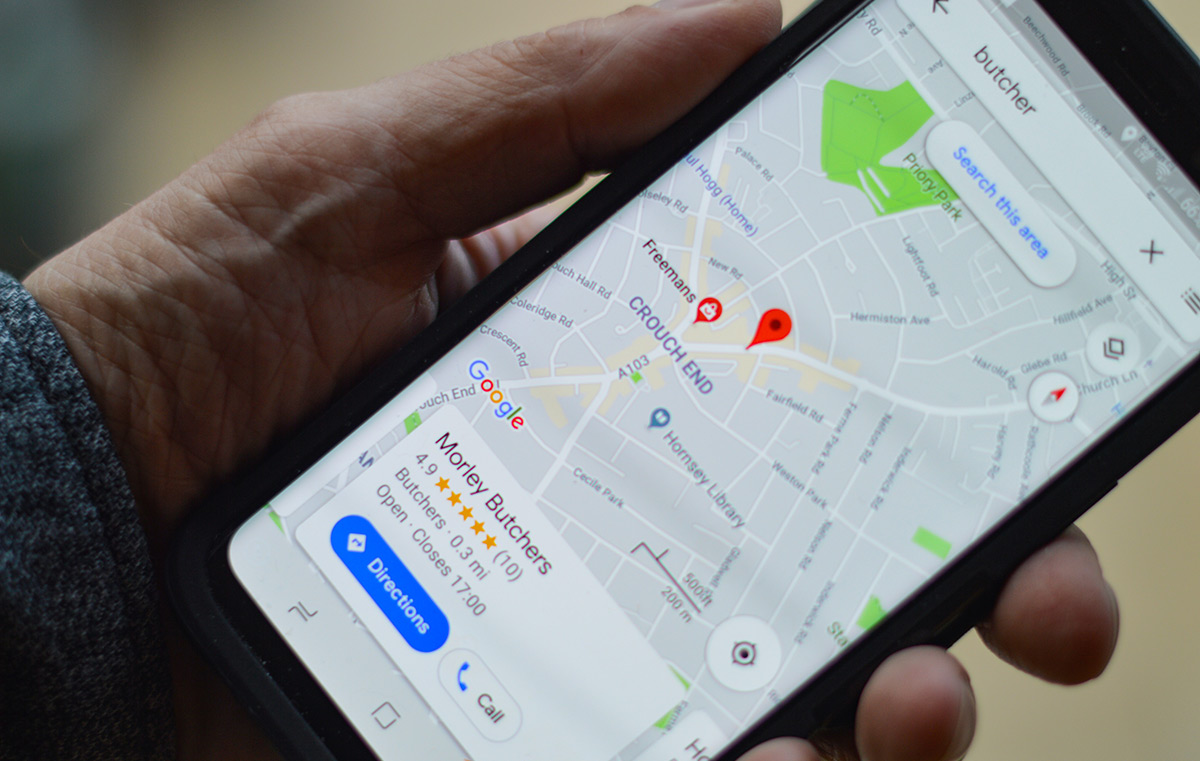
Yelp lists local businesses with customer reviews. Inspect activity in your own location and category before making the platform a marketing priority. A national audience figure gives little guidance about demand for a particular service in a particular town.
Yelp’s rules prohibit businesses from asking customers for reviews. This differs from Google’s approach, so exclude Yelp from any automated request sequence designed for Google reviews. Keep profile maintenance and responses separate from review solicitation.
Yelp Ads uses CPC advertising. Its advertising terms define chargeable interactions more broadly than a website visit, including certain actions connecting a user with the business. Ask for the applicable definition and reporting before comparing Yelp’s CPC with another channel.
Confirm advertising eligibility for your country before planning a campaign. Do not assume a business listing in one market gives access to every advertising product sold elsewhere.
Paid options: CPC advertising via Yelp for Business. Review the purchase order for the budget, commitment period and included products.
Review Sites for SaaS and Other Software Businesses
Software buyers need more than a score. Keep pricing descriptions, deployment options and product screenshots current so reviewers’ experiences have enough context for someone comparing alternatives.
SourceForge
SourceForge has separate areas for open-source projects and business software comparisons. Its commercial software listings cover products beyond open-source tools, so SaaS vendors should assess the relevant business software categories rather than assume the audience consists only of developers.
SourceForge’s published vendor packages include category promotion, competitor-page promotion and website clicks. Higher packages add features such as buyer intent information. Request a quote specifying the categories, campaign duration and reporting included.
When a package includes unlimited website clicks, the useful comparison is the cost per qualified opportunity over the contract period, because a large number of visits supplies limited evidence about the number of suitable buyers reached.
Paid options: Packaged promotion through SourceForge’s vendor plans. Additional media services are available through Slashdot Media.
Capterra
Capterra organises software into categories with product information and customer reviews. Match your listing to the tasks the product supports and explain important restrictions in the description. Broad category coverage is unhelpful when enquiries consistently come from buyers needing unavailable features.
Current G2 Clicks terms cover Capterra, G2, Software Advice and GetApp. New campaigns use one shared budget across these marketplaces unless the service order states otherwise. Migrated campaigns retain their existing coverage and purchase terms until changed.
The old instruction to contact customer service because Capterra campaigns lack a pause function should not be treated as current guidance. G2’s present documentation describes a Pause Campaign control in my.G2. Confirm the arrangement for a legacy account against its applicable terms.
Paid options: CPC advertising through the current G2 Clicks service. Check marketplace coverage before budgeting for Capterra separately.
G2
○ g2.com
G2 hosts software reviews and comparisons alongside paid vendor products. Distinguish subscriptions from click advertising when requesting a proposal. List the review tools, data products and advertising placements separately so the cost of each is clear.
G2 Ads Clicks is a subscription-free PPC offering. The current documentation lists a minimum monthly campaign budget of US$500. This is an advertising budget rather than a flat subscription fee and does not guarantee leads or sales.
To pause a current Clicks campaign, open Advertising, then Ads Campaigns in my.G2. Select the campaign’s gear icon, open Campaign Settings and choose General, then Pause Campaign. G2 states a pause lasting more than 90 days results in cancellation, with restarting available later.
Paid options: PPC campaigns plus separate subscription and promotional products. Compare the current G2 seller offering with the specific features included in your quote.
Review Sites for Travel and Hospitality
Tripadvisor
Tripadvisor combines reviews of accommodation, restaurants and attractions with travel planning and booking-related services. Match the paid product to the business type. A hotel advertising option should not be assumed available on the same terms to a restaurant or attraction.
For accommodation businesses, Sponsored Placements promotes the property in locations such as search results and competitors’ pages. Tripadvisor charges per click to the property’s listing. This differs from paying specifically for a referral to your own booking engine.
Its guidance describes monthly budget controls and the option to pause or cancel a campaign. When reviewing performance, separate listing visits from booking referrals and completed reservations. Account for booking-channel costs before judging the return.
Before increasing spend for a particular period, compare promoted dates with room availability and the rates guests will find after clicking, since exposure to an unavailable or uncompetitive offer leaves the booking problem unresolved.
Paid options: CPC Sponsored Placements for accommodation businesses. Assess rate-comparison and booking-link products separately from listing promotion.
Measure Paid Review-Site Campaigns Against Actual Customers
Give each platform a distinct campaign identifier and record the destination used. For software, follow enquiries through qualification and sales. For local services, distinguish relevant calls from unanswered calls or requests outside the service area. For hotels, compare completed stays as well as reservations.
Keep subscription fees, click charges and booking commissions visible in the calculation. A campaign delivering cheaper clicks than paid search still needs investigation when fewer visitors become paying customers or the resulting sales leave less margin.
Before committing to a renewal, export the available performance data and compare customers acquired during the same period with the full campaign cost. Record the cancellation deadline beside the renewal date so the decision happens before another contract period begins.