5G and Marketing: Opportunities for Video, AR and VR
A product video, virtual showroom or live demonstration needs a reliable connection. 5G offers opportunities to improve delivery, though the experience still depends on the customer’s device, the application and the network available at the time.
For marketers, the useful question is which customer task benefits from better connectivity. A faster connection helps most when slow delivery prevents someone from viewing, comparing or interacting with your content.
What 5G Changes for Mobile Marketing
5G is the fifth generation of mobile network technology. Its marketing relevance centres on data transfer and responsiveness rather than a new advertising channel.
Faster Downloads, With Real-World Limits
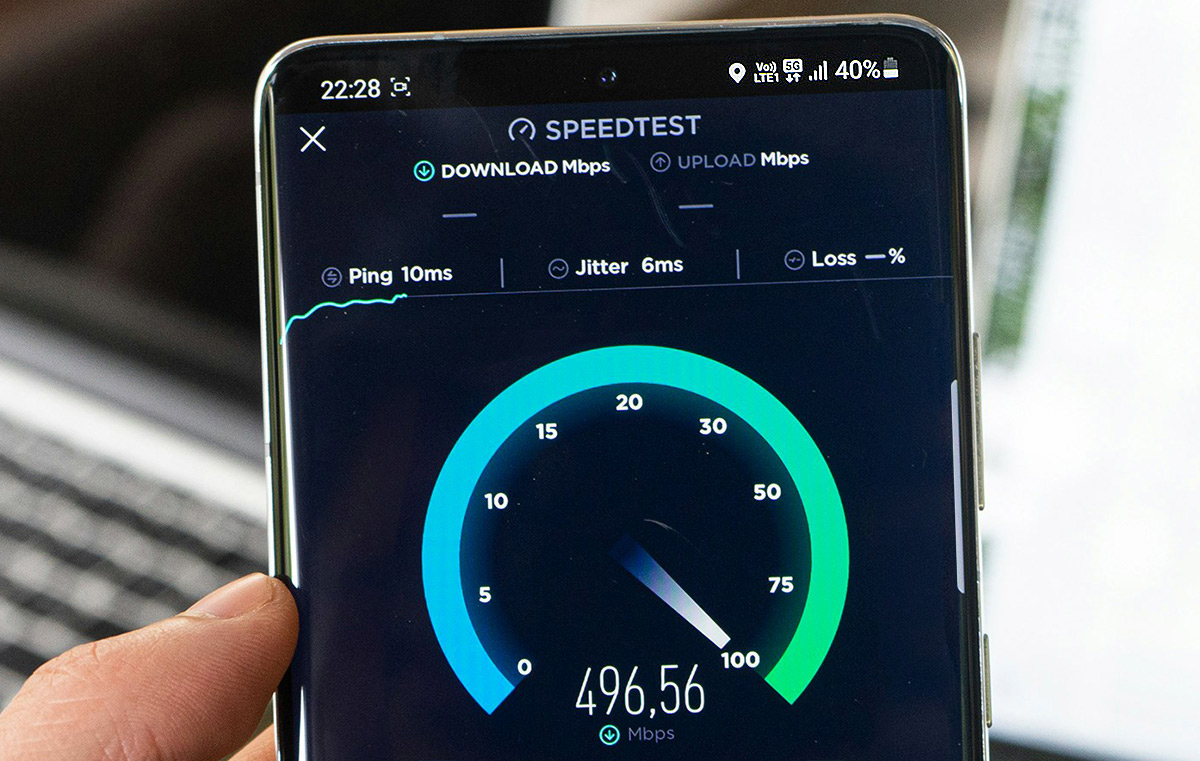
Ofcom’s Mobile Matters 2026 report found faster small-file transfers over 5G than 4G in its UK measurements. The report also found substantial use of 4G, so campaigns still need to work across mixed connection types.
Avoid building around a theoretical maximum speed. Review the locations, devices and networks relevant to your audience. A demonstration on a fast office connection provides limited evidence about a customer opening the same experience while travelling.
Lower Latency and Interactive Content
Latency is the delay between a request and a response. Lower latency matters for interactions requiring frequent communication, such as a live video consultation or a shared online experience.
Network responsiveness is only one part of the result. A server processing a request slowly or a phone struggling to render a scene still introduces delays. Specify the complete customer interaction you need to improve rather than treating the 5G label as a performance guarantee.
Mobile Websites Still Need Optimisation
Downloading a page and making the page responsive are different tasks. The browser must also process scripts, calculate layouts and render the result. Faster downloads do not remove work performed on the device.
Keep essential information and actions accessible before loading optional interactive features. For a product page, show the price, description and purchase controls without requiring a large video or 3D model to finish loading.

Video and Live Experiences
Better mobile connectivity provides more room for video-led campaigns, though larger files need a clear purpose.
Use Video to Answer a Buying Question
Choose content whose movement or detail helps someone decide. An illustrative furniture campaign might show how a sofa bed opens, while a fitness business might demonstrate the pace and format of a class.
A higher-resolution file is useful only when the added detail serves the viewer. Compare the experience on smaller screens and slower connections before increasing file size.
Give visitors a clear next step after viewing. A demonstration should lead naturally to product details, availability or booking information.
Plan for Interruptions During Live Content
For a live product launch or consultation, test both the presenter’s upload connection and the audience’s viewing experience. A strong connection at one end provides no assurance about the other.
Prepare a lower-demand route to the same information. Offer a recording, product photographs or written details for visitors unable to watch. Include captions and playback controls so the content remains usable in different settings.
Track playback failures and completed customer actions separately. More video starts alone provide little evidence of a better campaign.
AR and VR Marketing Need a Useful Task
Augmented reality (AR) adds digital elements to a view of the physical world. Virtual reality (VR) places the user inside a digital environment. Neither format automatically requires a 5G connection.
Product Visualisation With AR
An illustrative homeware campaign might let a shopper place a digital model of a lamp in a room. The purpose is to help assess appearance and proportions before purchase.
5G helps with transferring assets where network delivery is a bottleneck. Tracking and rendering also depend on hardware and software. Google’s ARCore certification checks cameras, motion sensors and processing performance, so network speed alone does not establish whether a phone supports an AR experience.
Provide photographs and dimensions alongside the interactive view. Check model scale and explain any limitations affecting colour, size or placement.
Virtual Showrooms and Demonstrations
A VR showroom needs a reason to exist beyond presenting ordinary product information in a different format. A proposed property experience might help a remote buyer understand room relationships before arranging a viewing.
Decide whether the task requires a headset, an interactive browser view or a simpler guided video. Test the devices and software your audience uses before committing to production.
Where an experience relies on continuous remote delivery or processing, test responsiveness across the complete system. Avoid promising uninterrupted immersion based on the mobile connection alone.
Gamification With a Clear Purpose
Use a short challenge to teach visitors a product feature or an interactive quiz to help them find a suitable option.
An illustrative outdoor clothing campaign might ask visitors to choose equipment for different weather conditions. Evaluate whether participants understand the products and reach useful information afterwards.
Define the role of connectivity before adding complexity. A campaign involving live interaction has different network needs from a quiz completed on the phone. Participation and social sharing need to be measured rather than assumed.
Personalisation and Location Are Separate Capabilities
5G transports data. Customer recognition, audience selection and recommendations depend on the systems collecting and using the information.
Real-Time Insights Need Working Data Flows
A relevant message requires more than a quick connection. The underlying event must reach your systems, match the appropriate record and affect the audience or experience before the information becomes outdated.
For example, a recent purchase should remove a customer from an eligible acquisition audience within the agreed update period. Check every step rather than assuming faster mobile access makes the entire process immediate.
Connected devices and wearables also need supported integrations and an appropriate basis for using the information. Their connectivity does not give advertisers automatic access to the data.
Location-Based Features Require Access
A website does not receive precise customer location merely because the visitor uses 5G. The browser’s Geolocation API requires permission and a secure context, normally HTTPS. The device supplies location using available capabilities such as GPS.
For a store finder, ask for location when the visitor chooses to search nearby. Explain the purpose and provide a postcode or town search when permission is refused.
Keep the response useful. Show relevant branches, opening hours and directions before considering additional promotional messages.
Choose Relevant Personalisation
Use information with a clear connection to the task, such as a selected store, stated preference or previous purchase. Confirm the data is current and appropriate for the planned use.
Measure whether the personalised experience helps visitors complete the task. A more detailed customer profile does not establish a better result.
Build and Evaluate a Practical Campaign
Choose one experience and define success before expanding the production budget.
Start With the Existing Problem
Identify a specific obstacle such as a product demonstration loading slowly or a live consultation repeatedly losing quality. Check whether network delivery causes the problem before deciding on a solution.
A customer struggling to find the booking button needs a clearer page. Increasing media quality would address a different issue.
Test Devices and Connections
Run the complete journey on representative phones and connection conditions. Test starting the experience, refusing optional permissions, losing connectivity and returning to the ordinary product or booking page.
Record loading delays, interaction failures and task completion. Include visitors whose devices do not support the richer experience.
Compare the proposed version with the existing experience using an appropriate test design. Assess qualified leads, bookings or purchases alongside engagement measures and include production and maintenance costs.
Review Data Handling and Ongoing Maintenance
Document the information collected by the experience and its connected suppliers. Review access, retention and security with the people responsible for customer data. Keep permission requests tied to a clear purpose.
Assign responsibility for updating product models, checking links and testing software changes. Before launch, confirm the fallback content works and the team knows how to disable a failing interactive feature while keeping the main customer journey available.